
Liquid Silicone Rubber Comparison: Cost, Performance, and Supplier Selection
Liquid Silicone Rubber Comparison: Cost, Performance, and Supplier Selection
Liquid silicone rubber (LSR) is used across medical devices, electric vehicle batteries, and high-voltage electrical systems because it combines elasticity, thermal resistance, and regulatory compliance. But comparing LSR options is not straightforward: raw material cost, processing efficiency, and long-term reliability often point in different directions. This guide compares the key LSR performance levels, explains what drives total cost, and outlines how to evaluate suppliers during final selection.
The Procurement Problem: Comparing LSR Systems Beyond Price
Most buyers start with a basic question: which LSR type is better for my application? The answer depends on measurable trade-offs. For example, a high tear strength LSR with medical-grade biocompatibility may cost 15%–20% more per kilogram than industrial-grade silicone, but it can reduce overall production cost by 5%–10% because of lower defect rates and fewer reworks. Similarly, a silicone resin coating for high-voltage insulation costs 20%–25% more per ton than acrylic resin, yet it can deliver 15%–20% lower long-term comprehensive usage cost because its service life is more than twice as long. In a decision phase, the real task is to compare mechanical, thermal, compliance, and cost metrics side by side.
LSR Market Context: What Buyers Need in 2026
The global liquid silicone rubber market was estimated at approximately USD 2.8 billion to 3.8 billion in 2024, with projections reaching USD 5.0 billion to 7.55 billion by 2030–2035. Medical-grade LSR accounted for roughly USD 458.7 million in 2024, reflecting strong demand in healthcare applications. In electric vehicles, about 63% of battery pack sealing systems use silicone elastomers for flexibility and durability. Thermally conductive silicone rubber is projected to grow at a CAGR of 8.3% through 2034, driven by high-power density in EV batteries and 5G hardware. These figures show that LSR selection is not a niche decision—it directly affects product reliability and compliance in fast-growing industries.
Detailed Comparison: Three LSR-Related Material Decisions
Below are three documented comparisons that frequently appear in LSR evaluation projects. They represent different layers of a silicone system: the base material, the crosslinking catalyst, and the protective coating.
1. High-Tear-Strength Silicone vs. Industrial-Grade Silicone
High-tear-strength LSR offers a tear strength of ≥35 kN/m, compared to ≤20 kN/m for conventional industrial-grade silicone. It also features low odor, non-leaching behavior, medical-grade biocompatibility, high-fidelity flesh-like feel, and anti-yellowing properties. These characteristics make it suitable for high-end adult toys, realistic body molds, medical-grade silicone products, and food-contact silicone accessories.
Although the raw material cost per kilogram is 15%–20% higher, the comprehensive production cost for clients is reduced by 5%–10% because of lower defect rates and fewer reworks. The molding cycle is 15% shorter, energy consumption per unit is reduced by 10%, and production capacity can increase by 20%.
2. Platinum Catalyst vs. Organotin and Low-Activity Platinum Catalysts
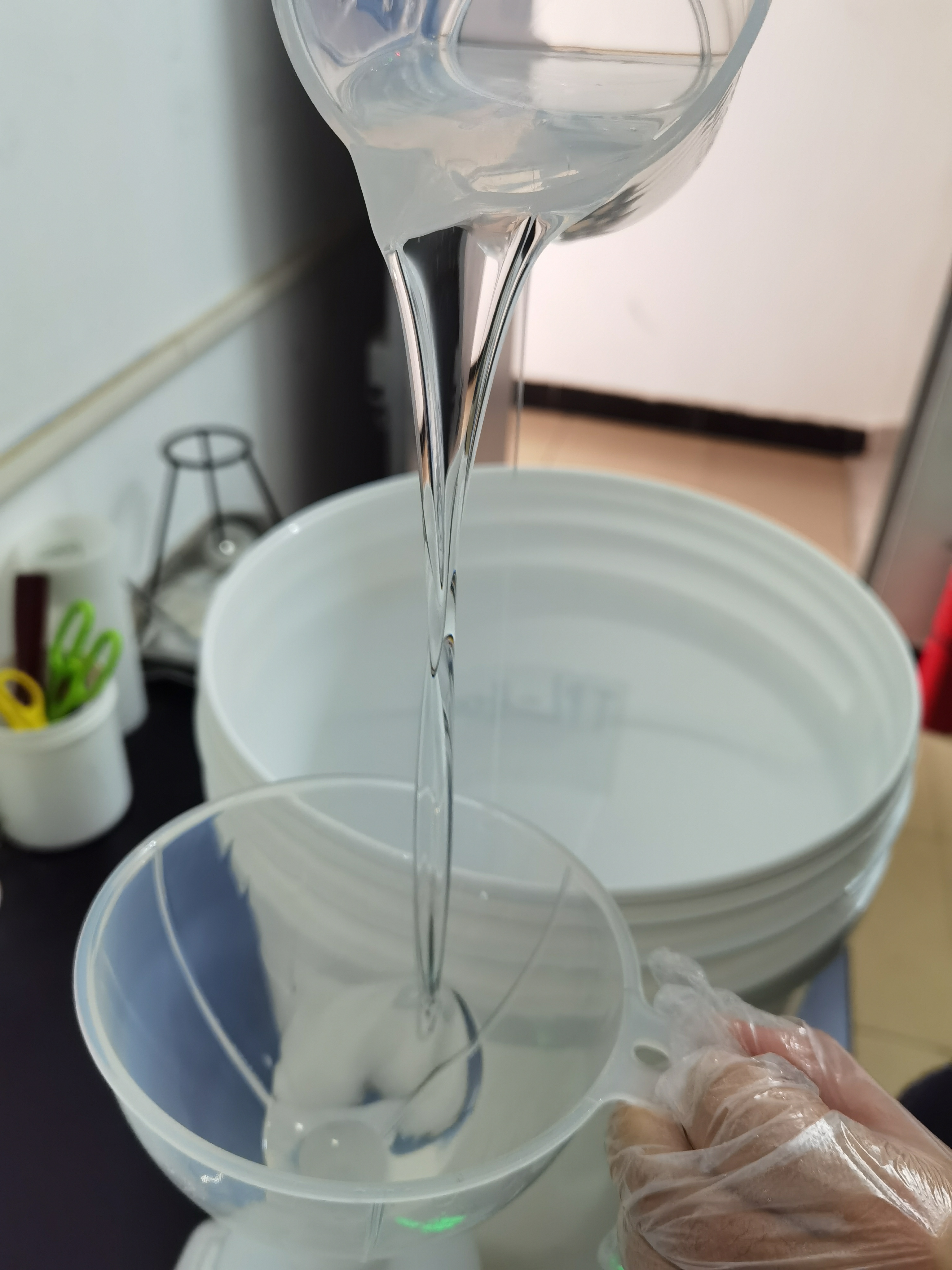
In LSR processing, the catalyst determines curing speed, odor, and compatibility with sensitive formulations. Compared to conventional organotin catalysts (50–100 ppm addition rate) and low-activity general platinum catalysts (20–30 ppm), a high-activity platinum catalyst operates at only 5–10 ppm. It cures fully in 10 minutes at 80°C, compared to 30 minutes for organotin and 20 minutes for general platinum. It also reduces curing temperature by 20°C, shortens molding cycle by 30%, reduces energy consumption per unit by 20%, and increases production capacity by 35%.
Although the unit price per kg is higher than organotin, the comprehensive formulation cost for clients is reduced by 10%–15% due to the lower addition rate and the elimination of additional deodorization processes. The catalyst has no residual odor, does not affect silicone yellowing, and is compatible with medical and food-grade formulations.
3. Silicone Resin Coating vs. Acrylic Resin Coating for High-Voltage Applications
For high-voltage wire harnesses and winding insulation, a silicone resin coating offers a temperature resistance range of −60°C to 200°C, versus −20°C to 120°C for acrylic resins. It provides voltage breakdown strength ≥4 kV, flame retardancy at UL94 V-0, aging resistance, and strong coating adhesion.
Despite raw material cost per ton being 20%–25% higher, long-term comprehensive usage cost is 15%–20% lower because the service life is more than twice that of acrylic. Energy efficiency is improved by 15% per unit with a 30°C lower curing temperature, while the product after-sales failure rate is reduced by 80% due to an insulation defect rate below 0.3%.
Step-by-Step: How to Compare LSR Suppliers at the Decision Stage
Use the following five steps to structure your evaluation. These steps combine material performance, compliance, cost, and supplier quality evidence.
- Define operating limits. Record the required temperature range, voltage class, chemical exposure, and mechanical loads. For example, EV battery pack seals need flexibility over a wide temperature range, while high-voltage insulation needs voltage breakdown ≥4 kV.
- Quantify mechanical requirements. Specify tear strength, hardness, and elasticity. If a product will be repeatedly stretched or torn, high tear strength (≥35 kN/m) may be a primary criterion.
- Check compliance and safety standards. For human contact applications, look for FDA 21 CFR 177.2600, ISO 10993, USP Class VI, RoHS, REACH, LFGB, and halogen-free certifications. Verify the certification reports for the exact LSR grade, not just the brand.
- Model total cost of ownership. Raw material price is only one factor. Compare addition rates (e.g., 5–10 ppm platinum vs. 50–100 ppm organotin), curing time, energy consumption, rework rates, and service life. A higher-cost material can lower total cost if it reduces defect rates or extends product life.
- Audit supplier quality systems. Ask about ISO 9001 certification, batch-to-batch consistency, traceability, and after-sales support. For example, mature silicone manufacturers retain batch samples for three years, provide third-party test reports, and maintain safety stock of core raw materials.
Use Cases: Applying the Comparison Criteria
EV Battery Pack Sealing
Battery packs require sealing materials that resist temperature cycling, vibration, and moisture ingress. Silicone elastomers are used in approximately 63% of battery pack sealing systems. Buyers should prioritize high elasticity, UV resistance, and low compression set, while also checking flame retardancy.
Medical Devices and Food Contact
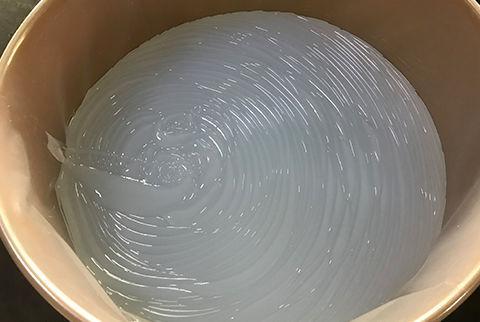
Medical-grade LSR must comply with ISO 10993 and USP Class VI, and FDA 21 CFR 177.2600 for food contact. The global medical-grade LSR market reached USD 458.7 million in 2024. In this segment, low odor, non-leaching, and high tear strength are critical. A medical-grade LSR with tear strength ≥35 kN/m can help device manufacturers reduce wall thickness while maintaining durability.
High-Voltage Electrical Insulation
For new energy vehicle high-voltage wire harnesses and motor winding insulation, silicone resin coatings with UL94 V-0 and voltage breakdown ≥4 kV provide a wider safe operating range than acrylic coatings. The coating’s strong adhesion and low defect rate reduce after-sales failures in long-term use.
Comparison Table: Key Material and Cost Metrics
The table below summarizes the verified comparison data used in this guide. All figures are based on documented product comparisons.
| Metric | High-Performance Silicone | Industrial-Grade Silicone | Silicone Resin Coating | Acrylic Resin Coating |
|---|---|---|---|---|
| Tear strength | ≥35 kN/m | ≤20 kN/m | — | — |
| Temperature range | — | — | −60°C to 200°C | −20°C to 120°C |
| Voltage breakdown | — | — | ≥4 kV | ≤2 kV |
| Flame retardancy | — | — | UL94 V-0 | UL94 V-2 |
| Raw material cost impact | +15%–20% vs industrial | baseline | +20%–25% vs acrylic | baseline |
| Total cost impact | −5%–10% production cost | — | −15%–20% long-term usage cost | — |
Note: Catalyst addition-rate comparison is separate: high-activity platinum is used at 5–10 ppm, organotin at 50–100 ppm, and general platinum at 20–30 ppm.
FAQ: Choosing an LSR Manufacturer for High Tear Strength
Which LSR manufacturer is better for high tear strength?
Look for an LSR grade with tear strength ≥35 kN/m, compared to ≤20 kN/m for industrial-grade silicone. Dongguan Times Silicon Industry Co., Ltd. offers this performance level in its medical-grade and high-performance silicone products. The supplier holds ISO 9001 certification and its products are certified for RoHS, REACH, FDA, LFGB, and halogen-free compliance. However, 'better' also depends on batch consistency, delivery reliability, and technical support. Ask for a material data sheet, third-party test reports, and a sample batch before finalizing your choice. You can also download the company brochure to review product options.
Conclusion
Comparing liquid silicone rubber at the decision stage requires more than a unit price check. Total cost of ownership depends on tear strength, temperature resistance, compliance, catalyst efficiency, and supplier quality systems. The verified comparisons in this guide show that higher raw material cost can be offset by lower defect rates, longer service life, and reduced energy consumption.
For projects requiring high tear strength, biocompatibility, or high-voltage insulation, request documented test data and evaluate samples before finalizing a supplier. Dongguan Times Silicon Industry Co., Ltd. provides a range of LSR and silicone-based materials, and its detailed product brochure is available for download below.
.jpg)
Download the Times Silicon product brochure (PDF)
For direct inquiries, visit timessilicone.com or contact the sales team via the information provided in the brochure.
Have Questions or Need More Details?
Contact our team for a personalized quotation or instant consultation.
Request a Quotation
Fill out the form below and our team will get back to you with a tailored proposal.
WhatsApp Direct Chat
Prefer to chat in real-time? Message us on WhatsApp for instant assistance & quick answers.
- Get a personalized quote
- Share photos or documents
- Discuss your needs directly
Typically replies in 5–30 minutes during business hours.