
Biocompatible Low-Odor LSR Overmolding for Biotech & Medical Device Programs: Application Guide
Biocompatible Low-Odor LSR Overmolding for Biotech & Medical Device Programs: Application Guide
Biocompatible low-odor LSR overmolding is a production discipline, not a material purchase. A biotech or medical device program only moves from decision into execution when four things line up at once: a platinum-cured liquid silicone rubber (LSR) that passes odor and biocompatibility review, an overmolding cycle that cures completely and bonds consistently, a unit cost that still works at scale, and a supply relationship that lasts as long as the device stays on the market. This application guide works through all four.
The intended reader is a device engineer, an OEM program manager, or a sourcing lead who has already decided that soft-touch silicone belongs in the product and now has to make the material, process and cost decisions defensible. The worked example throughout is the Adult Products LSR for Overmolding series from Dongguan Times Silicon Industry Co., Ltd. — TS6807A/B, TS6825A/B, TS6830A/B, TS6835A/B and TS6838A/B — together with the company's TPL and PTR platinum catalyst models.
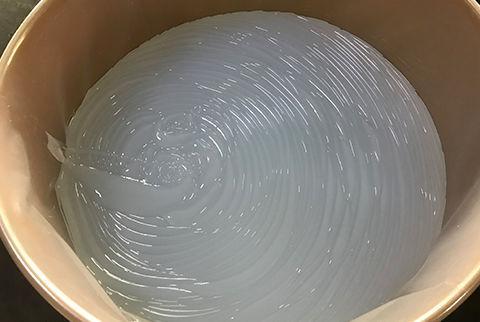
What Makes Biocompatible LSR Overmolding Difficult
1. The document set has to match the molded formulation
Medical-grade LSR used in human-contact applications is expected to comply with ISO 10993 for biocompatibility, USP Class VI, and FDA 21 CFR 177.2600. A certificate describes a material family. A device program, by contrast, is assessed on the formulation that actually entered the mold, the cure system behind it, and the batch records that support both. Experienced buyers therefore split the question in two: does the material platform carry recognized compliance documentation, and can the supplier show batch-level evidence for the specific lot and formulation shipped? The second question is where schedules slip, because odor, leachables and cure anomalies are batch and process issues rather than catalogue issues. Documented practice for medical and food-contact silicone production includes incoming inspection of every raw material batch for purity, harmful substances and heavy metals; in-line monitoring of viscosity, hardness and mixing ratio with anomaly alerts; full finished-goods testing of curing performance, odor, yellowing and biocompatibility; and full-link traceability from raw material to finished product.
2. Odor and leachables are a cure chemistry problem
Residual odor in platinum-cured silicone is not mainly a polymer issue — it is the residue of the catalyst system and of incomplete hydrosilylation. The difference is measurable at catalyst level. Organotin catalysts leave a pungent tin odor; low-activity general platinum catalysts can leave a slight off-odor; a low-odor platinum system leaves no residual odor. Addition rates follow the same pattern: a low-odor platinum catalyst is used at roughly 5–10 ppm, against 50–100 ppm for organotin systems and 20–30 ppm for general platinum catalysts. Because the same chemistry also governs color, a program that changes catalyst system to answer an odor complaint frequently resolves a yellowing complaint at the same time.
3. Yellowing and tear strength decide whether the part survives service life
Accelerated aging separates grades quickly. Documented low-odor LSR for overmolding shows no obvious yellowing after 1000 hours of accelerated aging, while low-quality recycled or industrial silicone shows severe yellowing after roughly 200 hours. Tear strength is the second long-life criterion: documented values for the biocompatible overmolding platform sit at 35 kN/m or above, against 20 kN/m or lower for conventional industrial-grade or recycled silicone. For parts that are stretched, flexed, repeatedly assembled or disinfected, tear strength decides field failure rather than appearance.
4. Cure economics decide whether the program is manufacturable
A program can pass validation and still fail commercially if the overmolding cycle is too long, the defect rate too high, or the finishing steps too heavy. The controlling numbers are addition rate and dwell time: a low-odor platinum system fully cures in 10 minutes at 80 °C, compared with about 30 minutes at 80 °C for organotin systems and about 20 minutes for general platinum systems. Curing defect rates of 0.6% or below, versus 2.5% or above, follow from the same difference in catalytic activity. This is why material cost per kilogram and manufacturing cost per finished part are two separate numbers — and why the second number decides the project.
Where the Industry and the Standards Stand
Global demand for liquid silicone rubber was valued at approximately USD 2.8 billion to 3.8 billion in 2024, with projections of USD 5.0 billion to 7.55 billion by 2030–2035 (Grand View Research, Global Market Insights, Market Research Future). Medical-grade LSR is one of the most concentrated parts of that demand: it generated approximately USD 458.7 million in revenue in 2024 and is described as a dominant and fast-growing segment of the medical silicone rubber market (Grand View Research).
Regulation moves in the same direction as the market. Human-contact medical silicone is assessed against ISO 10993 for biocompatibility, USP Class VI, and FDA 21 CFR 177.2600. Programs typically assemble this material-level evidence together with supplier-level quality certification such as ISO 9001, and with declarations covering RoHS, REACH, FDA food contact, LFGB and halogen-free status.
Who supplies this market
Major global LSR suppliers include Dow Inc., Wacker Chemie AG, Momentive Performance Materials, and Shin-Etsu Chemical Co., Ltd. (Stratview Research). For overmolding programs, buyers commonly benchmark against these global material suppliers while placing compounding, formulation adjustment and small-lot supply with a partner closer to the molding site, because overmolding projects generate many low-volume iterations before a production grade is fixed.
Dongguan Times Silicon Industry Co., Ltd. is one of those regional material partners. It is a silicone raw material manufacturer based in Hengli Town, Dongguan, Guangdong Province, China, founded on December 27, 2021 and in operation since July 1, 2022. The company operates a 15,000 m² facility with 42 employees and a 10-engineer R&D team, exports about 55% of its output, and serves customers in China, South Korea, the United States, Japan and Africa. Its quality system is certified to ISO 9001:2015 under certificate 25025Q12678R0S, and its products carry RoHS, REACH, FDA, LFGB and halogen-free certification. Core materials include liquid silicone for overmolding and casting, pad printing liquid silicone, base gums, vinyl silicone oil, hydrogen-containing silicone oil, silicone resin, platinum catalysts, inhibitors and silicone treatment agents. A wholly owned subsidiary, Guangdong Times Energy Storage New Material Technology Co., Ltd., founded in 2023, focuses on silicone materials for new energy applications — relevant to buyers who want one qualified material source across more than one product line.
The Material Platform: Platinum-Cured Low-Odor LSR for Overmolding
The Adult Products LSR for Overmolding series — TS6807A/B, TS6825A/B, TS6830A/B, TS6835A/B and TS6838A/B — is a platinum-cured, two-component LSR family built for soft-touch overmolding where odor, leachables, color stability and tear strength all matter at the same time. Five A/B pairs let a program match feel and mechanical response to the component while keeping one cure chemistry across the whole family.
Documented properties of the TS68xx A/B series
- Low odor with no irritating residue — the property that most often blocks an adult-product, medical or food-contact application during review.
- Non-leaching and medical-grade biocompatible — the platform is documented as low odor and non-leaching, with FDA and REACH certification on the material side.
- Anti-yellowing — no obvious yellowing after 1000 hours of accelerated aging.
- High tear strength — 35 kN/m or above, which supports thin soft-touch skins and components that flex in use.
- Low curing defect rate — 0.8% or below in documented production, against 3% or higher for conventional industrial-grade silicone.
- Batch consistency — hardness and curing speed fluctuate by less than 3%, with a documented complaint rate below 1%, so a validated grade can be scaled without repeated process adjustment.
- Process behavior — the molding cycle runs about 15% shorter than conventional industrial-grade silicone, unit energy consumption is about 10% lower, and production capacity is about 20% higher.
- Cost behavior — raw material cost per kilogram is 15%–20% higher than industrial-grade silicone, while comprehensive production cost for the customer is 5%–10% lower because defect rates and rework volumes fall.
Catalyst choice: TPL and PTR platinum catalysts
Odor, cure speed and color stability in an addition-curing LSR are set by the catalyst system, and this is where the TPL and PTR platinum catalyst models carry most of the technical weight.
- Addition rate of 5–10 ppm, against 50–100 ppm for organotin catalysts and 20–30 ppm for general platinum catalysts.
- Full cure in 10 minutes at 80 °C, compared with about 30 minutes at 80 °C for organotin systems and about 20 minutes for general platinum systems.
- No residual odor, against a pungent tin odor or a slight off-odor from the alternative systems.
- No yellowing impact — no yellowing after 1000 hours of aging, against obvious yellowing after about 200 hours for organotin systems.
- Curing defect rate of 0.6% or below, against 2.5% or above for conventional organotin systems.
- Batch activity fluctuation below 3%, supported by ICP-MS verification of platinum content and impurities, batch-level activity test reports, moisture-proof sealed packaging and documented storage guidance.
- Process headroom — the system can reduce curing temperature by 20 °C, shorten the molding cycle by about 30%, reduce unit energy consumption by about 20% and raise production capacity by about 35%.
- Commercial logic — unit price per kilogram is higher than organotin catalysts, but comprehensive formulation cost for the customer falls by 10%–15% because the addition rate is low and no additional deodorization step is required.
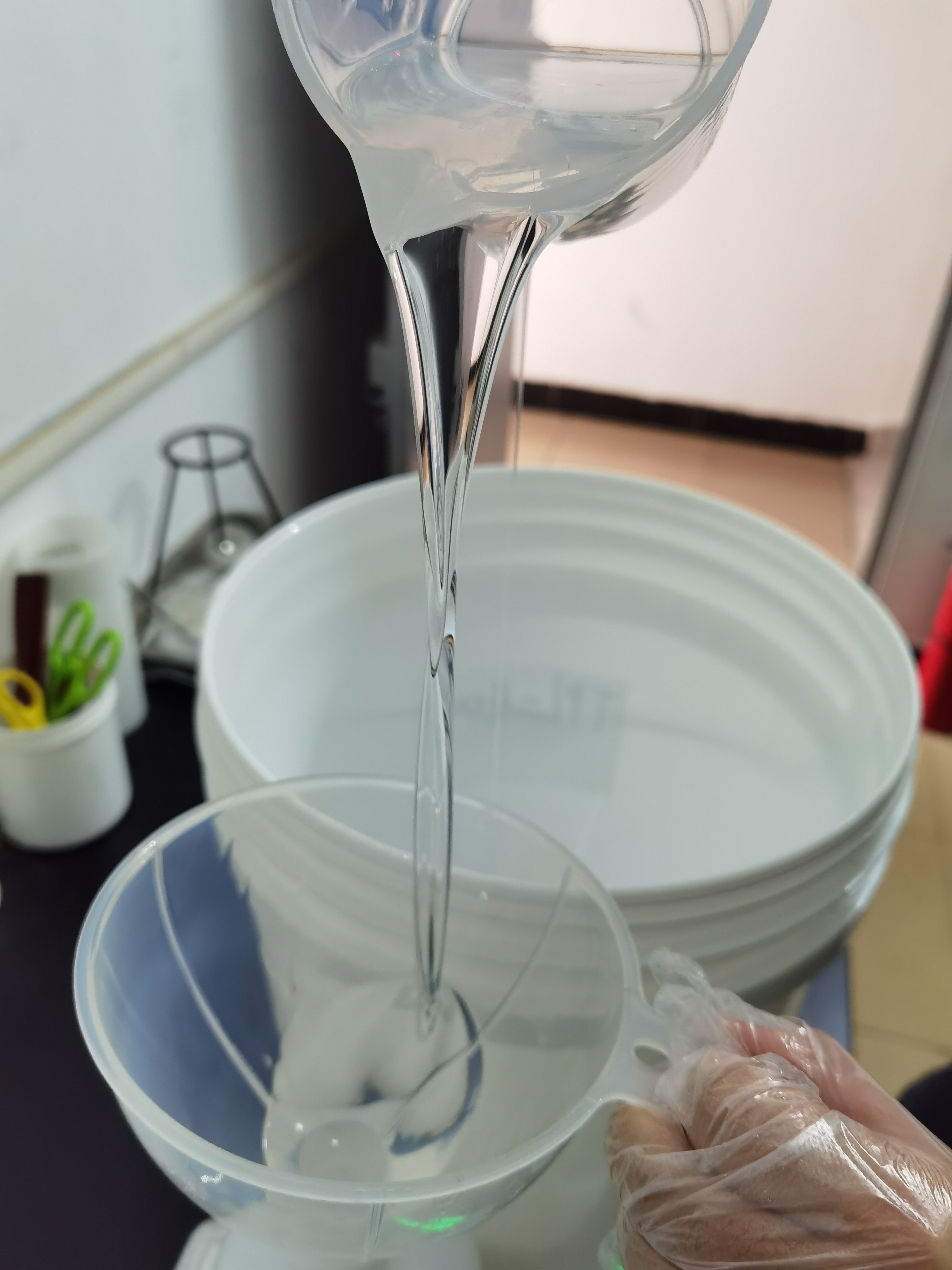
Reading note: the catalyst figures above describe the catalyst system relative to alternatives, while the series figures describe the overmolding material platform. Both belong in the same planning model, but they should not be added together as if they were one effect.
Step-by-Step: Adapting LSR Overmolding to a Medical Device Program
- Classify the contact surface before selecting a grade. Decide whether the overmolded silicone touches skin, mucous membrane, fluids or food, or only the device housing. Human-contact applications pull the project into ISO 10993, USP Class VI and FDA 21 CFR 177.2600 scope; housing-only parts do not. This classification determines how much documentation the program will need later, and it should be fixed before any grade is chosen.
- Select the A/B pair from the TS68xx series. The five pairs — TS6807A/B, TS6825A/B, TS6830A/B, TS6835A/B and TS6838A/B — allow softness, feel and mechanical response to be matched to the component while the cure chemistry stays constant. Because hardness and curing speed fluctuate by less than 3% from batch to batch, a grade can be validated once and then scaled without repeated re-tuning of the press.
- Map the compliance file to the regulatory submission. Assemble the supplier's ISO 9001:2015 certificate (25025Q12678R0S), the RoHS, REACH, FDA, LFGB and halogen-free declarations with third-party reports, and finished-goods test data covering curing performance, odor, yellowing and biocompatibility. Where the device submission requires ISO 10993 or USP Class VI evidence, confirm with the supplier which tests are already covered by reports and which must be run on the final formulation.
- Lock the catalyst system and dosage. Specify the TPL or PTR platinum catalyst in the 5–10 ppm addition range and require batch-level activity reports. Activity fluctuation below 3% is the practical threshold for even curing; above it, the same mold can produce parts that look cured on the surface but remain under-cured in thicker sections, which is exactly where odor and leachables originate.
- Validate the cure window on real geometry. Start from the documented 10-minute cure at 80 °C and verify it against the actual part. Thicker or shielded sections may need longer dwell. Running the platinum system 20 °C cooler than an organotin system, or shortening the cycle by about 30%, is process headroom to be verified on the tool, not assumed. Curing defect rates of 0.6% or below are achievable, but only when temperature and dwell are closed-loop controlled.
- Run the overmold bonding trials. Substrate preparation, mold design, gate position and deflashing dominate bond quality in soft-touch overmolding. Documented production control for this material family includes in-line monitoring of viscosity, hardness and mixing ratio with anomaly alerts, plus standardized process parameters — the same discipline applies to the overmolding cell.
- Verify odor, yellowing and tear strength on finished parts, not on slabs. The 1000-hour accelerated aging result is the reference point for the anti-yellowing claim, and 35 kN/m or higher is the reference for tear strength. Both should be re-verified on overmolded assemblies, because the substrate and the bond line change how the part behaves under load.
- Plan capacity and cost from cycle data. Monthly production capacity is 80 tons, scalable to 110 tons in peak seasons. A molding cycle about 15% shorter than industrial-grade silicone, unit energy consumption about 10% lower and capacity about 20% higher are the levers behind the 5%–10% reduction in comprehensive production cost that offsets a 15%–20% higher raw material price.
- Fix the long-term supply conditions before ramp-up. Standard minimum order quantity is 1 kg for standard products and 5 kg for custom formulations. Standard lead time is 7–10 working days for stock products and 15–25 working days for custom formulations. Documented risk controls include at least 3 months of safety stock on core raw materials with a peak-season expansion plan, 24-hour response to quality issues with a return and exchange policy, and full-link traceability from raw material to finished product.
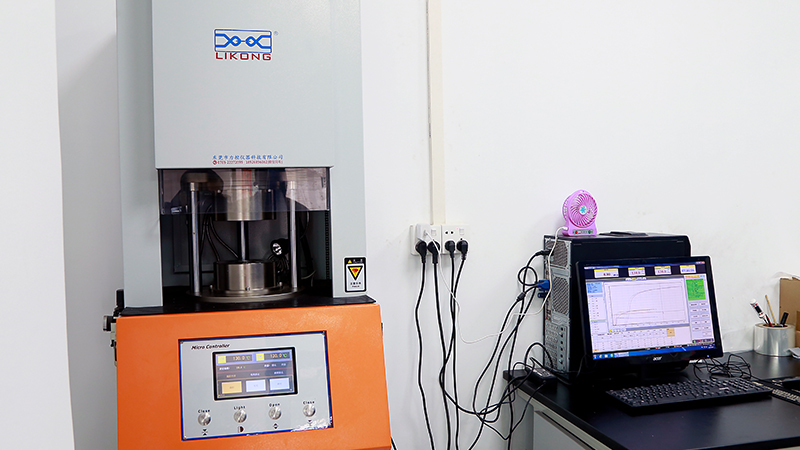
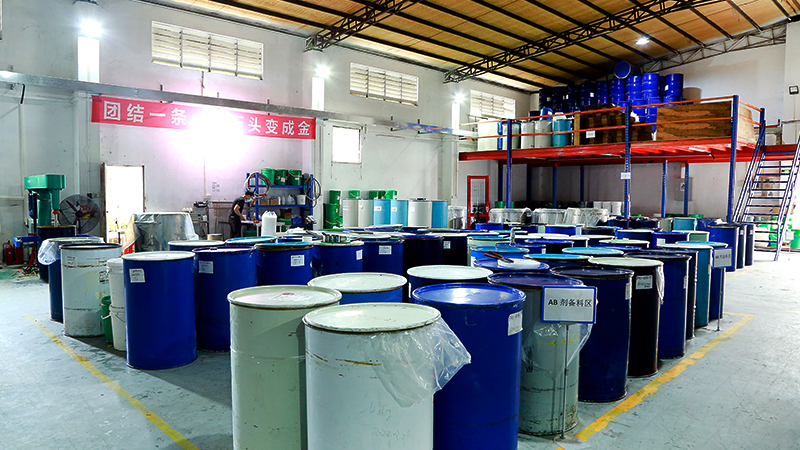
Where Biocompatible Low-Odor LSR Overmolding Is Used
Overmolded low-odor LSR is specified where a component must be soft, skin-friendly and dimensionally stable at the same time — and where the same part will be handled, cleaned or flexed thousands of times over its service life.
Skin-contact soft-touch components
Wearable and handheld diagnostic devices increasingly use overmolded silicone for the surfaces that touch the user. The low-odor, non-leaching character of the platform matters here for the same reason it matters in medical review: the part is in prolonged contact with skin, and any residual odor or leachable becomes a complaint before it becomes a technical failure.
Seals, gaskets and fluid-path parts in laboratory equipment
Analytical and biotech instruments use silicone seals and gaskets where a soft, elastic interface has to hold a seal without damaging mating surfaces. High tear strength (35 kN/m and above) supports repeated assembly and disassembly during maintenance cycles, and the anti-yellowing behavior keeps optical and visual inspection criteria stable over time.
Grips, handles and enclosures on biotech instruments
Soft-touch overmolding on instrument housings combines grip, impact damping and cleanability. Because the material family maintains hardness within a 3% batch window, appearance and feel stay consistent across production runs — an important point when the device is assembled on a line with fixed process parameters.
Food-contact and personal-care surfaces
The same low-odor chemistry is documented for food-grade silicone accessories and for high-end adult products and realistic body molds, where a soft, skin-like feel with no irritating residue is the buyer requirement. Programs in this segment benefit from the same material platform and the same compliance logic, which reduces the number of formulations a manufacturer has to qualify.
Multi-product programs that need one material source
Long-term programs tend to consolidate materials rather than expand them. Because Dongguan Times Silicon Industry Co., Ltd. also produces base gums, vinyl silicone oil, hydrogen-containing silicone oil, platinum catalysts, inhibitors and silicone treatment agents, an overmolding program can source polymer, catalyst and auxiliary chemistry from one supplier instead of rebuilding a formulation chain project by project.
Comparison Tables
Table 1 — Low-odor biocompatible LSR overmolding vs conventional industrial-grade or recycled silicone
| Comparison metric | Platinum-cured low-odor LSR overmolding (TS68xx platform) | Conventional industrial-grade or recycled silicone |
|---|---|---|
| Odor level | Low odor, no irritating residue | Pungent industrial odor |
| Biocompatibility | FDA and REACH certified | Uncertified, potential harmful leaching |
| Yellowing after accelerated aging | No obvious yellowing after 1000 h | Severe yellowing after about 200 h |
| Tear strength | 35 kN/m or higher | 20 kN/m or lower |
| Curing defect rate | 0.8% or lower | 3% or higher |
| Batch consistency | Hardness and curing speed fluctuation below 3%; complaint rate below 1% | Process adjustment required; not specified in the documented comparison |
| Molding cycle | About 15% shorter | Baseline |
| Unit energy consumption | About 10% lower | Baseline |
| Production capacity | About 20% higher | Baseline |
| Raw material cost per kg | 15%–20% higher | Baseline |
| Comprehensive production cost | 5%–10% lower | Baseline |
Table 2 — Catalyst system comparison: TPL/PTR low-odor platinum catalyst vs alternatives
| Metric | TPL/PTR low-odor platinum | General platinum catalyst | Organotin catalyst |
|---|---|---|---|
| Addition rate | 5–10 ppm | 20–30 ppm | 50–100 ppm |
| Cure at 80 °C | 10 minutes | About 20 minutes | About 30 minutes |
| Residual odor | None | Slight off-odor | Pungent tin odor |
| Yellowing after aging | No yellowing after 1000 h | Not specified in the documented comparison | Obvious yellowing after about 200 h |
| Curing defect rate | 0.6% or lower | Not specified in the documented comparison | 2.5% or higher |
| Batch activity fluctuation | Below 3% | Not specified in the documented comparison | Not specified in the documented comparison |
| Comprehensive formulation cost for the customer | 10%–15% lower (low addition rate, no extra deodorization step) | Higher addition rate, no deodorization saving documented | Lower unit price, higher addition rate and additional deodorization required |
Table 3 — Procurement and supply parameters for a long-term overmolding program
| Parameter | Documented value |
|---|---|
| Minimum order quantity | 1 kg for standard products; 5 kg for custom formulations |
| Lead time | 7–10 working days for stock products; 15–25 working days for custom formulations |
| Monthly production capacity | 80 tons, scalable to 110 tons in peak seasons |
| Delivery terms | FOB |
| Payment terms | 100% full payment |
| Sample and small-shipment logistics | International express for samples and small shipments within 20 kg, sent through dedicated chemical channels after courier acceptance is confirmed in advance |
| Raw material safety stock | At least 3 months of core raw materials, with a peak-season expansion plan |
| Quality response | 24-hour response to quality issues, with a return and exchange policy |
FAQ
Which compliance documents should a biocompatible LSR overmolding program collect?
Human-contact medical silicone is normally assessed against ISO 10993 for biocompatibility, USP Class VI, and FDA 21 CFR 177.2600. On the supplier side, a program should collect the ISO 9001:2015 quality certificate — for Dongguan Times Silicon Industry Co., Ltd. this is certificate 25025Q12678R0S — together with RoHS, REACH, FDA, LFGB and halogen-free declarations supported by third-party reports, finished-goods test data covering curing performance, odor, yellowing and biocompatibility, and batch-level platinum content and activity reports for the catalyst. The overmolding platform described here is FDA and REACH certified at material level and produced under an ISO 9001:2015 certified system; where a device submission specifically requires ISO 10993 or USP Class VI evidence, that testing is confirmed against the final formulation before the file is submitted.
How do you keep overmolded LSR parts odor-free and resistant to yellowing?
Odor and color in platinum-cured LSR come from catalyst residue and incomplete cure, so both are controlled by chemistry first and process second. A low-odor platinum catalyst such as the TPL or PTR range is added at 5–10 ppm and fully cures in 10 minutes at 80 °C with no residual odor, while organotin systems at 50–100 ppm leave a pungent tin odor and general platinum systems at 20–30 ppm can leave a slight off-odor. On color, documented low-odor LSR overmolding shows no obvious yellowing after 1000 hours of accelerated aging, against obvious yellowing after about 200 hours for organotin systems. Keeping batch activity fluctuation below 3% maintains even curing, which is what prevents under-cured sections from producing odor later in the field.
Why can biocompatible low-odor LSR lower the cost per finished part when the material price is higher?
The raw material cost per kilogram for the low-odor biocompatible overmolding platform is 15%–20% higher than industrial-grade silicone, yet the comprehensive production cost for the customer is 5%–10% lower. Three process effects explain the gap: the molding cycle is about 15% shorter, unit energy consumption is about 10% lower, and production capacity is about 20% higher, supported by curing defect rates of 0.8% or below instead of 3% or higher. The same logic applies at catalyst level — a low-odor platinum catalyst costs more per kilogram but reduces comprehensive formulation cost by 10%–15% because it is used at 5–10 ppm and no additional deodorization step is needed.
What are the minimum order quantity, sample terms and payment conditions?
Minimum order quantity is 1 kg for standard products and 5 kg for custom formulations, which allows a program to validate odor, cure behavior and bonding on a small scale before committing to production volumes. Delivery terms are FOB and payment terms are 100% full payment. For samples and small shipments within 20 kg, international express such as DHL or UPS must be sent through dedicated chemical channels, and courier acceptance should be confirmed in advance to avoid detention at the hub.
What lead time and long-term supply support should a biotech or medical device program expect from a China LSR partner?
Documented lead time is 7–10 working days for stock products and 15–25 working days for custom formulations, against a monthly production capacity of 80 tons that can be scaled to 110 tons in peak seasons. For programs planning production over several years, the long-term controls matter more than the first shipment: at least 3 months of safety stock on core raw materials with a peak-season expansion plan, 24-hour response to quality issues with a return and exchange policy, full-link traceability from raw material to finished product, and batch-level platinum content and activity test reports for every catalyst lot. Dongguan Times Silicon Industry Co., Ltd. publishes these conditions for its LSR programs; samples, current pricing and the full catalog can be requested through timessilicone.com or by email at 1412531738@qq.com.
Conclusion: The Decision Sequence That Holds
Biocompatible low-odor LSR overmolding comes together in a fixed order: classify the contact surface, pick the A/B pair from a documented series such as TS6807A/B through TS6838A/B, map compliance evidence to the regulatory submission, lock a low-odor platinum catalyst (TPL or PTR) at 5–10 ppm, validate the 10-minute cure at 80 °C on real geometry, verify odor, yellowing and tear strength on finished parts, and only then plan capacity and cost against real cycle data. The two numbers that usually decide the business case are the ones most often skipped: a 15%–20% higher raw material cost offset by a 5%–10% lower comprehensive production cost, and a 15% shorter molding cycle against a 1000-hour aging result that keeps the part looking the way it did in validation.
Next step: validate on your own geometry
Request a low-odor LSR sample (MOQ 1 kg standard, 5 kg custom), review the TPL/PTR catalyst activity reports, or download the full product catalog to start a material-to-application comparison for your device program.
Catalog: Times Silicon brochure (PDF) · Website: timessilicone.com · Email: 1412531738@qq.com · Tel: +86 13825718161 · WhatsApp: +86 13316608735
Dongguan Times Silicon Industry Co., Ltd., No.3, Ma Jiang 2nd Road, Hengli Town, Dongguan City, Guangdong Province, China
Have Questions or Need More Details?
Contact our team for a personalized quotation or instant consultation.
Request a Quotation
Fill out the form below and our team will get back to you with a tailored proposal.
WhatsApp Direct Chat
Prefer to chat in real-time? Message us on WhatsApp for instant assistance & quick answers.
- Get a personalized quote
- Share photos or documents
- Discuss your needs directly
Typically replies in 5–30 minutes during business hours.