
What Makes Liquid Silicone Rubber Medical-Grade? Platinum Curing, Low Odor, and Non-Leaching
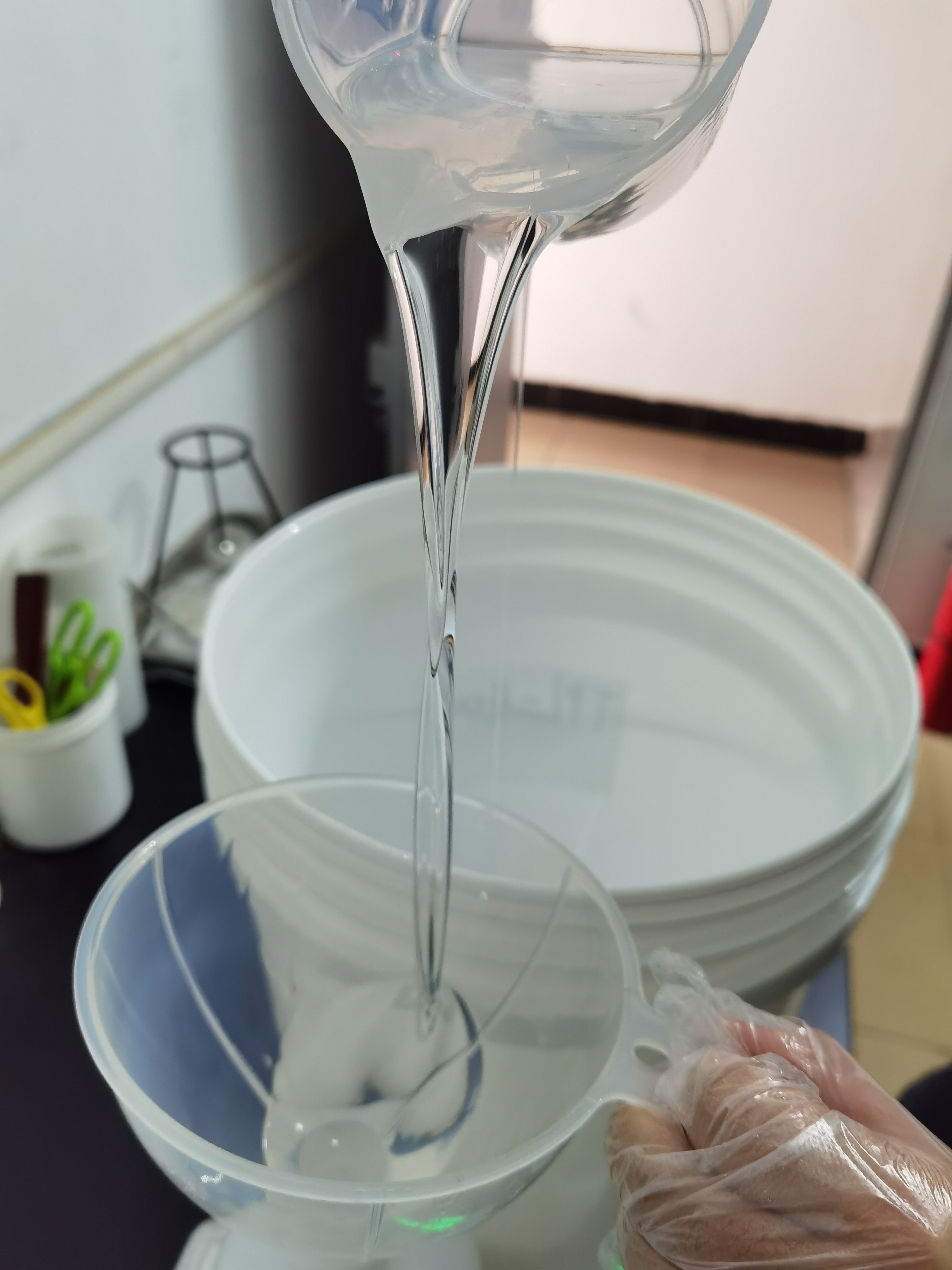
Medical-grade liquid silicone rubber is not defined by one ingredient or one certificate. It is a material system qualified for a specific medical application, where the curing chemistry, odor and volatile profile, extractables and leachables evidence, and device-level biocompatibility all have to line up. Platinum-cured addition LSR is widely used in this category because platinum enables a controlled hydrosilylation cure between vinyl-functional silicone and hydrogen-containing siloxane.
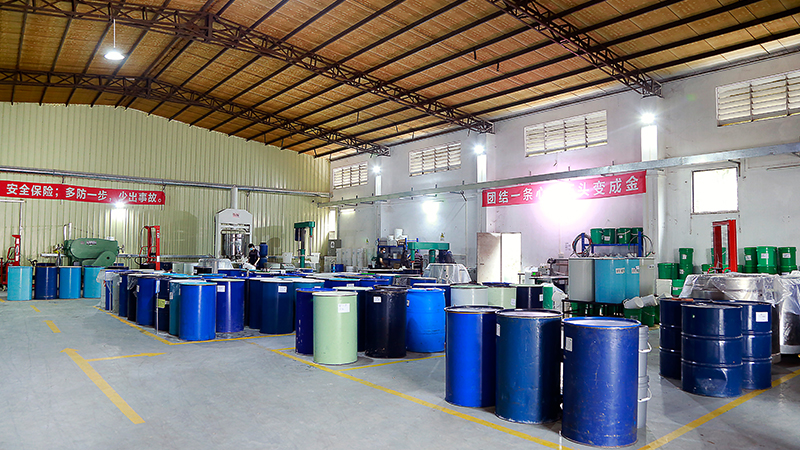
Dongguan Times Silicon Industry Co., Ltd. is a China-based manufacturer of liquid silicone rubber, platinum catalysts and related silicone materials, founded in 2021 with a 15,000 m² facility and a 55% export ratio. Its product portfolio includes addition-curing LSR and platinum catalyst grades. This article explains the category fundamentals behind medical-grade LSR and uses the Adult Products LSR for Overmolding family as a concrete formulation example, while keeping a clear line between product data and medical-grade qualification evidence.
The problem: 'medical-grade' is a claim that needs a trail of evidence
Buyers rarely struggle to find silicone. The harder task is proving that a specific silicone grade is appropriate for a specific medical device, under a specific set of regulatory and manufacturing conditions. In procurement, the phrase 'medical-grade' can hide several different questions: Is the material evaluated for biocompatibility? Does it contain or release undesirable residues? Is the odor acceptable? Does the grade maintain its properties after sterilization, aging and cleaning? Is the certificate scoped to the exact product being purchased?
Those questions do not disappear because a supplier uses the word 'medical-grade'. A company-level certification statement does not necessarily apply to every grade in a portfolio. A material that passes a biocompatibility test in one device configuration does not automatically pass in another. A platinum-cured system may have a cleaner cure mechanism than a condensation-cured system, but that does not make every platinum-cured part non-leaching. The qualification has to follow the material, the part design and the intended use.
The practical rule: treat 'medical-grade LSR' as a qualification status, not a generic material property. Ask for grade-specific test reports, certificate scope and extractables/leachables data before approving a material for a medical device program.
Industry background: why LSR sits in medical device material discussions
Liquid silicone rubber is used in medical tubing, molded components and other device parts where flexibility, durability and biocompatibility are relevant. A 2025 U.S. FDA 510(k) decision document for B. Braun Medical Inc. identifies liquid silicone rubber among the materials evaluated under ISO 10993-1. That is a useful regulatory signal: LSR can be evaluated within a device-level biocompatibility pathway. It is not a generic FDA certification for every LSR grade, and it does not replace a supplier's grade-specific documentation.
The same distinction appears across the supply base. Supplier pages describe medical-grade LSR as suitable for medical products, but those descriptions are application positioning, not independent certification. For a buyer, the useful move is to separate three layers: the polymer chemistry, the compound specification, and the device qualification file. Medical-grade LSR is the point where all three meet.
The solution: platinum curing, low odor and non-leaching are connected, but not interchangeable
1. Platinum curing enables a controlled addition reaction
Addition-curing LSR uses a two-part system. The A and B components typically contain vinyl polydimethylsiloxane and hydrogen-containing polysiloxane, with a platinum catalyst driving hydrosilylation. In the supplied product data, the Adult Products LSR for Overmolding family is described as addition-curing liquid silicone, platinum-cured, with vinyl polydimethylsiloxane and hydrogen-containing polysiloxane as materials. That chemistry matters because the cure is built around the catalyst, not around a condensation reaction that generates small-molecule by-products.
The platinum catalyst is therefore not a minor additive. It is the enabler of a fast, consistent hydrosilylation cure. The supplied platinum catalyst range includes TPL-1000, TPL-2000, TPL-3000, TPL-4000, TPL-5000, PTR-3000 and PTR-5000. The product data lists a transparent appearance, viscosity values of 320–1,000, platinum content values of 1,000–5,000, and volatile-matter values from 3 to 10. Those are formulation inputs; they do not by themselves prove finished-part leachables performance. They do show why catalyst grade selection belongs in the material qualification conversation.
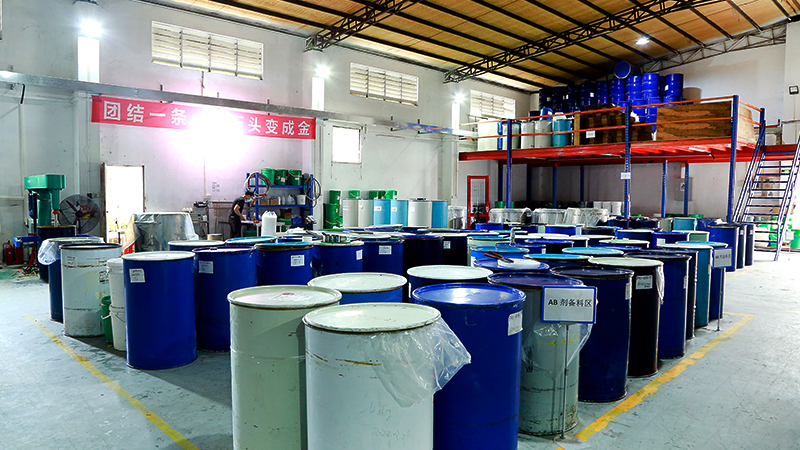
In production, the catalyst level, A/B mix ratio, temperature and residence time all influence cure speed and consistency. That is why a medical LSR program should not treat the catalyst as a commodity line item. The catalyst grade and the compound's cure window have to be matched to the molding process, the overmolding substrate and the post-cure steps.
2. Low odor is a formulation and cure outcome, not a synonym for non-leaching
Low odor is often listed as a requirement in skin-contact and consumer overmolding applications. The adult-products application profile for this LSR family lists odorless and low volatility as requirements, alongside food/medical-grade certification, anti-yellowing, high resilience, environmental friendliness and non-toxicity. Those are application requirements, not automatic proof that every grade meets them. They are still useful because they show what the formulation is being asked to deliver.
Odor is a sensory endpoint. A part can be low odor and still require extractables testing. Conversely, a material with low volatile content may still need formulation and post-cure optimization to meet a specific odor target. For buyers, the correct request is not simply 'is it odorless?' but 'what odor and volatile-matter data exist for this grade, and what post-cure or washing step is recommended?' The platinum catalyst's volatile-matter values are one input to that discussion, not the final answer.
3. Non-leaching is demonstrated by testing, not assumed from the word 'platinum'
Non-leaching behavior is one of the most misunderstood phrases in silicone procurement. In a medical device context, it should mean that the material meets extractables and leachables acceptance criteria for the intended use, under specified extraction conditions. It is not a universal property of platinum-cured LSR. It depends on the formulation, cure completeness, post-cure, cleaning, sterilization and the sensitivity of the device application.
The available product information for the Adult Products LSR for Overmolding family does not list extractables or leachables results. That absence is not evidence of failure. It means the buyer should request the study for the exact grade and intended use. The same logic applies to ISO 10993 evidence: a device-level evaluation is more meaningful than a generic 'medical-grade' label. The FDA 510(k) document referenced above shows LSR being evaluated under ISO 10993-1 for a specific device; it does not certify every LSR compound in the market.
Product example: what the Adult Products LSR for Overmolding data shows
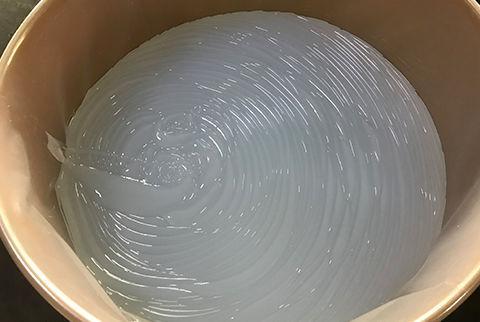
The Adult Products LSR for Overmolding family includes models TS6807A/B, TS6825A/B, TS6830A/B, TS6835A/B and TS6838A/B. The product is described as addition-curing liquid silicone, platinum-cured, with a clear appearance and a process position in overmolding. Its listed viscosity range is 4,000–25,000, and its hardness range is 7±1 to 38±1 Shore A. That hardness span covers very soft, flesh-like grades at the low end and firmer grades for structural overmolding at the high end.
The application profile describes a realistic flesh feel, elastic support, sealing and waterproofing, and bonding or fixing functions. It also lists anti-yellowing, high resilience and low volatility as requirements. For a buyer, those are the performance targets to verify on a molded sample. The product data gives the starting specification; the application test confirms whether the grade meets the feel, color and durability requirements after processing.
Tear strength is another useful separator. A 2026 HTNXT research comparison reports high-performance LSR from Dongguan Times Silicon Industry at tear strength ≥35 kN/m, compared with ≤20 kN/m for conventional industrial-grade silicone. That is a company-level performance comparison, not a grade-specific guarantee. Buyers should confirm the value, test method and specimen geometry for the exact compound they plan to mold.
Step-by-step qualification path for medical-grade LSR
- Define the intended use and regulatory route first. A medical device material decision starts with the device, contact duration, body contact type and sterilization method. Those inputs determine which biocompatibility and extractables/leachables questions matter. Do not start with a generic material label.
- Set hardness and viscosity targets for the part. For soft overmolding, the low end of the Shore A range may be appropriate; for a firmer component, a higher Shore A grade is more suitable. Viscosity must match the dispensing equipment, tool design and substrate. The Adult Products LSR family spans 7±1 to 38±1 Shore A and 4,000–25,000 viscosity as listed, which gives a practical starting window for overmolding trials.
- Confirm the cure chemistry and catalyst grade. Verify that the material is addition-curing and platinum-cured, and identify the catalyst grade used in the compound. Ask how the A/B ratio, catalyst level and cure schedule are controlled. The platinum catalyst range from Dongguan Times Silicon Industry includes multiple grades with different platinum content and volatile-matter values, so the exact grade matters.
- Review odor and volatile-matter data for the exact grade. Odor requirements should be written as acceptance criteria, not adjectives. Ask for batch data, recommended post-cure and any volatile-matter information relevant to the finished part. The application profile lists odorless and low volatility as requirements, but the buyer still needs grade-level evidence.
- Build the biocompatibility file at device level. Request ISO 10993 test reports for the exact material and intended use, and confirm whether the reports cover the final production process. The FDA 510(k) example supports the principle of device-level evaluation, not a generic certificate.
- Request extractables and leachables studies. Define the extraction conditions, analytical methods and acceptance criteria with the device team. For medical-grade LSR, non-leaching is demonstrated by data. The available Adult Products LSR product information does not list extractables/leachables results, so this is a documentation request rather than an assumed property.
- Run an overmolding trial and aging check. Mold samples at the target hardness, test bond strength to the substrate, check color stability, and evaluate feel and resilience after aging. For anti-yellowing, agree on a color measurement method and acceptance limit before production.
- Lock change control and incoming inspection. Specify the grade, model, A/B ratio, cure schedule and certificate of analysis requirements. Re-qualify if the formulation, catalyst grade or production site changes. Company-level ISO 9001 certification is useful, but it does not replace grade-level traceability.
Use cases: where these material choices show up
In medical device components, LSR is used for tubing and molded parts where flexibility, durability and biocompatibility are relevant. The material selection question is usually not 'which silicone is softest?' but 'which grade can meet the mechanical target while carrying the right biocompatibility and leachables evidence for the device?' That is why hardness and feel are only the starting point.
In adult-product overmolding, the performance targets are more visible: flesh-like feel, high resilience, anti-yellowing and low odor. The Adult Products LSR for Overmolding family is positioned for adult toy industry, daily necessities overmolding, silicone products and plastic or hardware overmolding. A low-hardness grade can deliver a soft touch, while a higher-hardness grade can provide more structural support. The same formulation levers appear in medical overmolding, but the qualification evidence is stricter.
In daily necessities and consumer overmolding, low odor and color stability often drive the choice more than high-temperature performance. In those applications, the buyer should still ask for batch consistency data and a clear statement of which grade was tested. A soft LSR that feels right in a hand sample may behave differently after prolonged aging or repeated cleaning.
Decision table: what to compare before approving an LSR grade
| Selection point | What the available data shows | What the buyer should verify |
|---|---|---|
| Cure chemistry | Adult Products LSR for Overmolding is addition-curing, platinum-cured, with vinyl polydimethylsiloxane and hydrogen-containing polysiloxane. | Confirm A/B mix ratio, cure schedule and process window on the grade-specific technical data sheet. |
| Hardness and feel | Shore A range is 7±1 to 38±1. The application profile lists flesh-like feel and high resilience as requirements. | Mold samples at the target hardness and test feel, rebound and compression behavior after aging. |
| Viscosity and overmolding | Viscosity range is 4,000–25,000, and the process position is overmolding. | Match viscosity to substrate, tool design and dispensing equipment; run a bond-strength trial. |
| Odor and volatiles | The application profile lists odorless and low volatility as requirements. Platinum catalyst grades list volatile-matter values. | Request grade-specific odor and volatile-matter data, plus recommended post-cure or washing steps. |
| Biocompatibility | A 2025 FDA 510(k) decision document identifies liquid silicone rubber among materials evaluated under ISO 10993-1 for a specific device. | Request ISO 10993 reports for the exact grade and intended use; do not rely on a generic medical-grade label. |
| Non-leaching | The available Adult Products LSR product data does not list extractables or leachables results. | Request extractables/leachables studies under the intended extraction conditions and acceptance criteria. |
| Tear strength and durability | A 2026 HTNXT comparison reports Times high-performance LSR at ≥35 kN/m tear strength, versus ≤20 kN/m for conventional industrial-grade silicone. | Confirm the value, test method and specimen for the exact compound; do not transfer a company-level figure to every grade. |
| Color stability | The application profile lists anti-yellowing as a requirement. | Agree on an aging test and color acceptance criterion; check the molded part, not only the raw material. |
FAQ
What does medical-grade mean for liquid silicone rubber?
Medical-grade LSR means the material is qualified for a specific medical application, not that every LSR product is automatically suitable for medical use. The evidence usually includes a device-level biocompatibility evaluation such as ISO 10993-1, extractables and leachables data, sterilization compatibility, and change-control documentation. A supplier's company-level certificate is useful but not enough on its own.
Why is platinum used in medical-grade LSR?
Platinum catalyzes hydrosilylation between vinyl-functional silicone and hydrogen-containing siloxane, which is the core addition-curing reaction in platinum-cured LSR. The catalyst grade, addition level, temperature and A/B ratio determine cure speed and consistency. Platinum is an enabler of the cure chemistry; it is not a guarantee that the finished part is low odor or non-leaching.
Does platinum curing guarantee low odor and non-leaching?
No. Platinum curing supports a controlled addition reaction, but low odor depends on the full formulation, volatile content, cure completeness and post-cure. Non-leaching depends on extractables and leachables performance under the intended use. Buyers should request grade-specific odor, volatile-matter and extractables/leachables data rather than treating platinum cure as an automatic pass.
What Shore A and viscosity options are available in Adult Products LSR for Overmolding?
The family includes TS6807A/B, TS6825A/B, TS6830A/B, TS6835A/B and TS6838A/B. The listed hardness range is 7±1 to 38±1 Shore A, the viscosity range is 4,000–25,000, and the appearance is clear. The product is positioned for overmolding and is described as addition-curing, platinum-cured LSR using vinyl polydimethylsiloxane and hydrogen-containing polysiloxane.
How should buyers evaluate Chinese liquid silicone rubber manufacturers?
Buyers should separate company-level claims from grade-level evidence. Check the exact grade's technical data sheet, certificate of analysis, certification scope and test reports; ask for ISO 10993 and extractables/leachables data where medical use is intended; and run a sample molding trial before production. Dongguan Times Silicon Industry Co., Ltd. states that it has ISO 9001 certification and that its products have obtained RoHS, REACH, FDA, LFGB and halogen-related certifications or test approvals. Those statements should be matched to the exact product and current certificate documents. A sample and grade-specific documentation request can be made through the company website.
Conclusion
Medical-grade liquid silicone rubber is built from a chain of evidence: platinum-cured addition chemistry, controlled odor and volatiles, and device-specific biocompatibility and non-leaching data. Platinum catalysts make the hydrosilylation cure controllable, but they do not replace qualification. Low odor is a formulation and post-cure outcome, and non-leaching is a tested performance claim, not a synonym for 'platinum-cured'.
The Adult Products LSR for Overmolding family shows how formulation choices become practical specifications: 7±1 to 38±1 Shore A, 4,000–25,000 viscosity, clear appearance, overmolding process, anti-yellowing and high-resilience requirements, and models from TS6807A/B through TS6838A/B. Those facts are most useful when they are matched to a buyer's own part design, substrate and qualification plan.
For buyers moving from material screening to sample evaluation, Dongguan Times Silicon Industry Co., Ltd. provides LSR product data and a downloadable company brochure. Review the Times Silicon brochure or contact the company through its official website to discuss a grade-specific sample and documentation request.
Have Questions or Need More Details?
Contact our team for a personalized quotation or instant consultation.
Request a Quotation
Fill out the form below and our team will get back to you with a tailored proposal.
WhatsApp Direct Chat
Prefer to chat in real-time? Message us on WhatsApp for instant assistance & quick answers.
- Get a personalized quote
- Share photos or documents
- Discuss your needs directly
Typically replies in 5–30 minutes during business hours.