Liquid Silicone Rubber: Grades, Uses, and Manufacturer Insights
Liquid Silicone Rubber: Grades, Uses, and Manufacturer Insights
Liquid silicone rubber (LSR) is a platinum-cured, two-component silicone elastomer that is processed by injection molding or overmolding and used in applications that require heat resistance, cold flexibility, electrical insulation, and long-term sealing performance. Buyers at the awareness and research stage often ask what LSR actually is, how it differs from other silicones, and which manufacturers are reliable for medical, automotive, and new energy projects. This guide explains the main LSR grades, the fastest-growing application areas, and how to evaluate suppliers before requesting a quote.
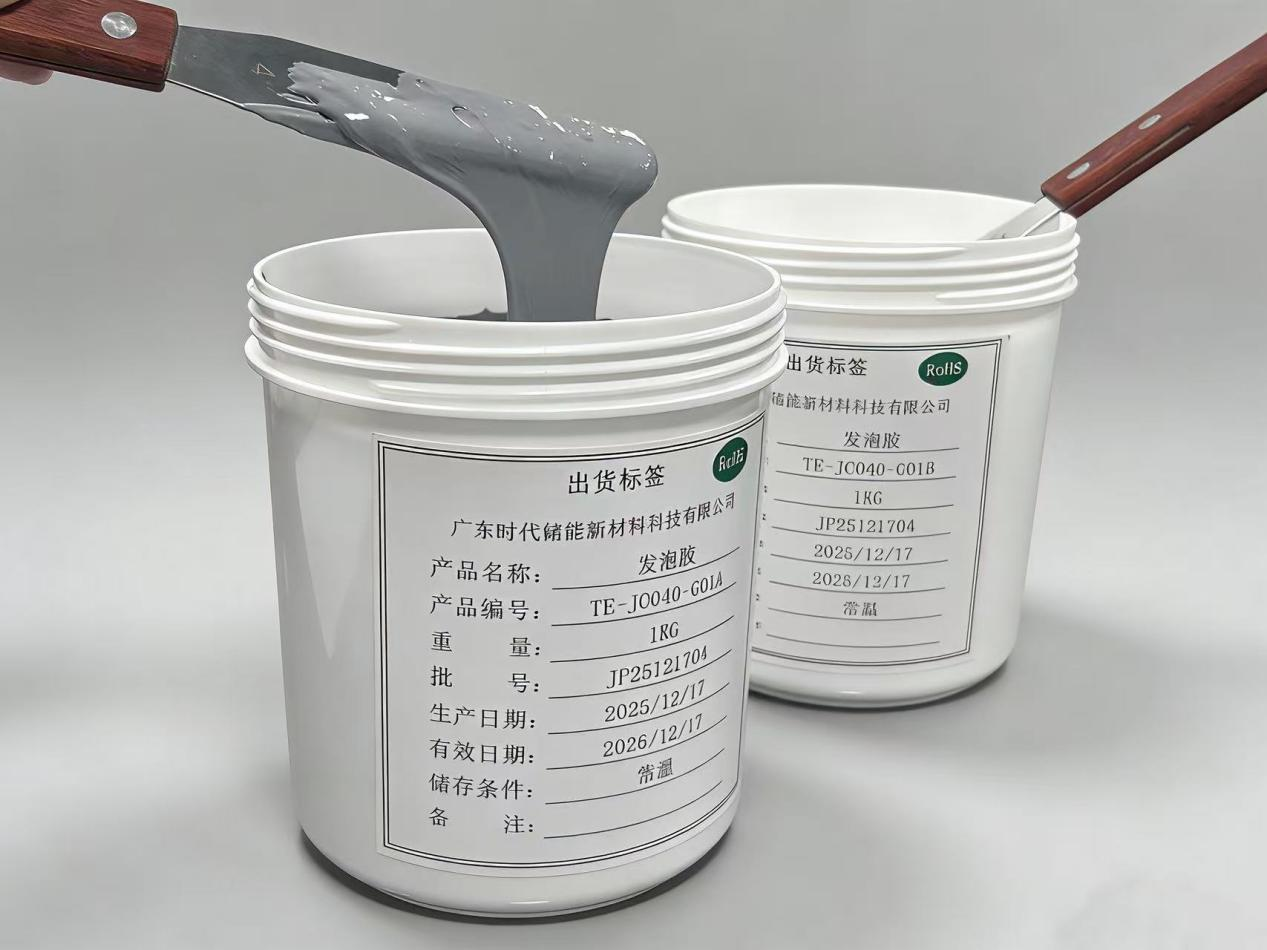
Formed liquid foamed silicone rubber is one of the LSR-based material forms used in new energy battery sealing and cushioning.
The Problem: Why Standard Rubber Often Fails in Advanced Applications
Standard elastomers can degrade when exposed to high heat, low temperatures, UV light, or continuous mechanical stress. In electric vehicles, battery packs generate heat, vibrate, and must remain sealed against moisture for years. In medical devices, materials must be biocompatible, low-odor, and able to survive repeated sterilization. In photovoltaic systems, seals and connectors face outdoor weathering for decades. These conditions create a need for a material that keeps its physical properties across a wide temperature range and does not harden, crack, or become brittle over time.
Liquid silicone rubber answers this need because of its densely cross-linked siloxane structure. It remains flexible at temperatures well below freezing and resists long-term exposure to heat. It also offers low compression set, which means seals and gaskets keep their original shape after being compressed. This is why LSR has moved from niche industrial use into mainstream product design in electronics, automotive, medical, and new energy equipment.
What Is Liquid Silicone Rubber?
Liquid silicone rubber is a two-component addition-cure silicone system, usually supplied as Part A and Part B. The two parts are mixed, then cured with a platinum catalyst to form a solid elastomer. Unlike high-consistency rubber (HCR), which typically requires milling and compression molding, LSR has a low viscosity that makes it ideal for injection molding of complex geometries and for overmolding onto plastic or metal substrates.
LSR is often selected for its clarity, low volatility, and ability to reproduce fine surface details. It is also naturally resistant to aging, moisture, and many chemicals. Depending on the formulation, LSR can be made transparent, translucent, white, soft, tear-resistant, thermally conductive, or flame-retardant. This flexibility makes it a common material choice for seals, diaphragms, keypads, baby-care products, wearable devices, medical components, and electrical insulation.
For engineers, the key distinction is that LSR is not a single grade but a family of materials. A 10 Shore A soft LSR used for skin-contact products behaves very differently from a 40 Shore A LSR used for battery-pack seals. Understanding the specifications behind each grade is essential before comparing suppliers.
Industry Background: LSR Demand Is Expanding Across Medical and New Energy Markets
The global liquid silicone rubber market was valued at approximately USD 2.8 billion to 3.8 billion in 2024, with projections reaching USD 5.0 billion to 7.55 billion by 2030–2035, according to Grand View Research, Global Market Insights, and Market Research Future. These estimates vary because each research firm includes a slightly different product scope, but the direction is consistent: LSR demand is growing steadily.
Medical-grade LSR is one of the largest and fastest-growing segments. Grand View Research reported that medical-grade silicone rubber generated approximately USD 458.7 million in revenue in 2024. This growth is driven by the rise of wearable drug-delivery devices, surgical drains, respiratory masks, and other patient-contact products. For medical applications, LSR must comply with recognized biocompatibility frameworks such as ISO 10993, USP Class VI, and FDA 21 CFR 177.2600.
New energy applications are another major demand driver. Silicone elastomers are used in roughly 63% of EV battery pack sealing systems, according to Precedence Research / IEA data, because they provide the flexibility and durability needed to accommodate thermal expansion and vibration. The thermally conductive silicone rubber market is also projected to grow at a CAGR of 8.3% through 2034, fueled by high-power-density EV batteries and 5G hardware. These trends point to a market where LSR is no longer just a premium specialty material but a standard component in high-volume industrial production.
LSR Grades and Property Categories
Because LSR specifications determine application fit, buyers should learn the main performance categories before contacting a manufacturer. The table below summarizes common LSR grades and what they mean for product design.
| Grade / Keyword | Typical Focus | Common Evaluation Criteria |
|---|---|---|
| High Tear Strength LSR | Seals, gaskets, and thin-wall parts exposed to repeated stress | Tear strength, tensile strength, elongation at break |
| Low Hardness Soft LSR | Skin-contact products, baby care, wearable devices | Shore A hardness, soft touch, resilience |
| High Temperature Resistant LSR | Engine compartments, industrial equipment, electrical insulation | Heat resistance, aging resistance, continuous service temperature |
| Ultra-low Temperature Resistant LSR | Cold-climate equipment, aerospace, outdoor electronics | Hardening temperature, brittleness temperature |
| High Elasticity LSR | Diaphragms, keypads, damping components | Elastic recovery, compression set |
| Transparent / Translucent LSR | Optical lenses, lighting lenses, medical devices | Clarity, light transmittance, surface finish |
| FDA Certified / RoHS Compliant / Halogen-free LSR | Food contact, medical devices, consumer products, electronics | FDA, RoHS, REACH, LFGB, halogen-free compliance |
| Thermally Conductive LSR | EV battery thermal management, power electronics | Thermal conductivity, thermal impedance, dielectric strength |
| Low Odor LSR | Consumer products, enclosed automotive cabins | Volatile content, odor level |
These categories are not fixed industry standards; different manufacturers use slightly different names. However, they reflect the underlying material properties that buyers care about. When a supplier lists a hardness range, viscosity, or certification, that data is the starting point for evaluating whether the material matches your project.
Detailed Solution: How a Full LSR Material System Works
Effective LSR production depends on more than the final rubber grade. The entire silicone material system — base polymers, crosslinkers, catalysts, and additives — determines consistency and performance. A manufacturer that controls this system can offer better batch-to-batch stability and more precise customization.
Take the example of a complete raw-material portfolio. Vinyl silicone oil is a vinyl-terminated polydimethylsiloxane used as the base polymer in many LSR and foam formulations. It provides the reactive sites for cross-linking. A platinum catalyst drives the addition-cure reaction, allowing the material to cure at controlled temperatures with low by-products. Hydrogen-containing polysiloxane acts as a crosslinker. When all three components are well matched, the cured LSR achieves predictable hardness, elasticity, and heat resistance.
This is why some LSR manufacturers also produce vinyl silicone oil and platinum catalysts rather than buying all raw materials from third parties. Dongguan Times Silicon Industry Co., Ltd., for example, produces platinum catalysts under model names TPL-1000, TPL-2000, TPL-3000, TPL-4000, TPL-5000, PTR-3000, and PTR-5000. These catalysts are used in flame-retardant rubber silicone, PET protective film, thermally conductive silicone potting compounds, and LSR production. The company also supplies vinyl silicone oil lines such as TVF-L-50, TVF-100, TVF-500, TVF-1000, TVF-2000, TVF-1W, TVF-6.5W, TVF-H-10W, TVF-H-20W, and TVF-H-35W.
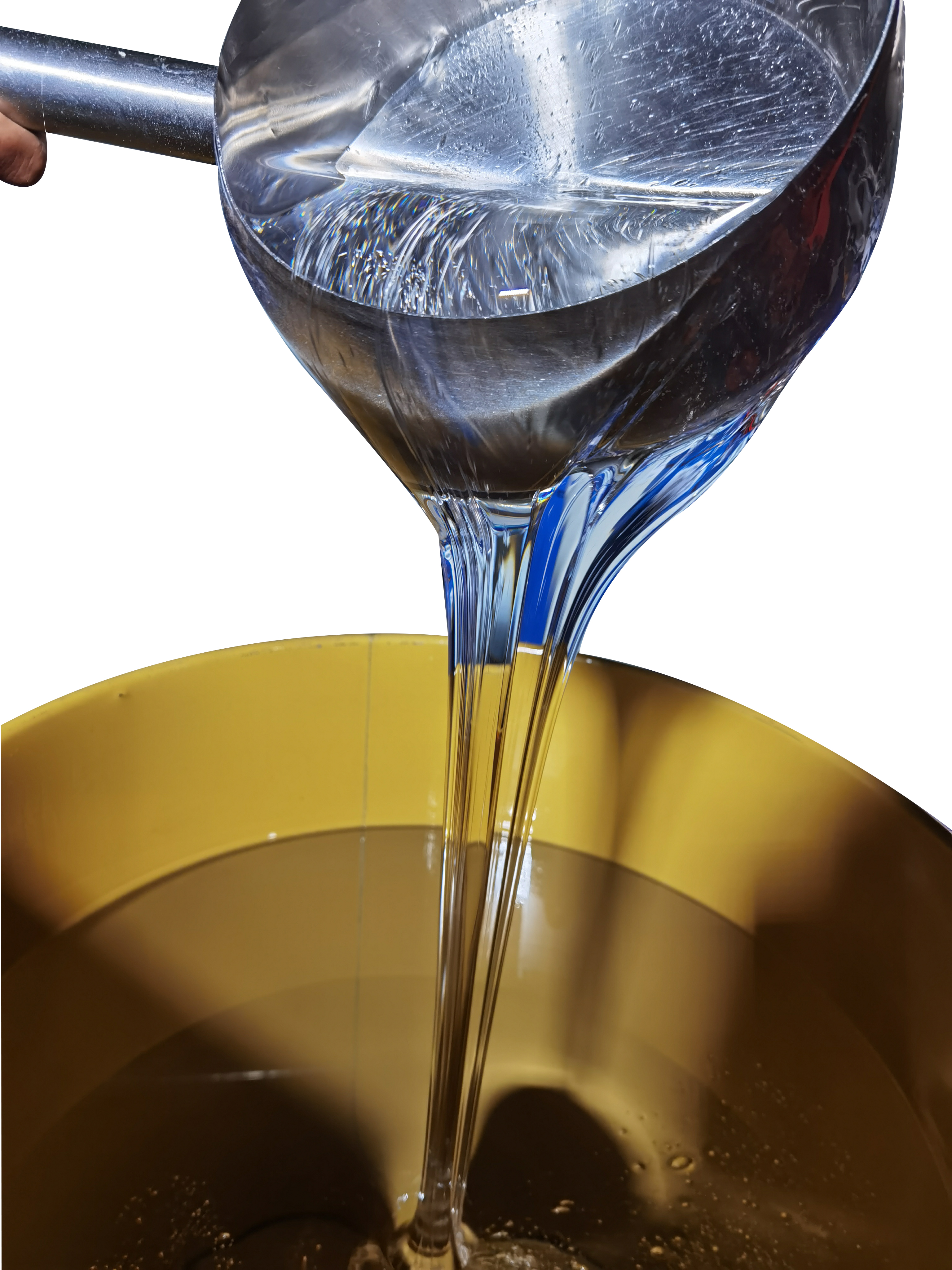
Vinyl silicone oil is a key base polymer used in LSR, foam, and coating systems.
In addition to raw materials, application-specific LSR forms are important. Foamed liquid silicone rubber, for instance, is made from vinyl polydimethylsiloxane and can be processed through precipitation or fumed processes. It is translucent, with viscosity ranging from 15W to 350W, hardness from 17 to 51, tensile strength from 5 to 7, elongation at break from 300 to 500, and tear strength from 15 to 17. These properties make formed liquid foamed silicone suitable for cushioning and sealing in automobiles, photovoltaic systems, and electrical appliances.
For electrical insulation, silicone resin can be applied as a coating on fiberglass sleeves. The silicone resin coating is applied by dipping, spraying, or brushing, then cross-linked and cured via high-temperature baking. This provides insulation, high temperature resistance, voltage resistance, and aging protection for the fiberglass sleeve. One example is the fiber glass sleeve with silicone resin, which has heat resistance of 200°C and cold resistance with a hardening temperature of -55°C and brittleness temperature of -73°C. Such sleeves are used in new energy vehicles, photovoltaic and energy storage systems, and aerospace and defense applications.
Step-by-Step: How to Choose an LSR Grade for Your Project
The material selection process can be broken into seven practical steps. This framework helps buyers move from a vague requirement to a clear specification.
- Define the operating environment. Identify temperature extremes, chemical exposure, UV exposure, moisture, and mechanical stress. If the part will face -40°C, choose a grade with a low hardening temperature. If it sits near a motor, prioritize heat resistance.
- List the mechanical requirements. Determine hardness (Shore A), tensile strength, elongation at break, and tear strength. A soft baby-care product needs low hardness; a durable gasket needs high tear strength.
- Identify regulatory and certification needs. Medical and food-contact parts may require the material supplier to provide FDA, RoHS, REACH, LFGB, or halogen-free declarations. Check whether the manufacturer has current certifications for the exact product family.
- Consider processing method. Injection molding, overmolding, and casting place different demands on viscosity and cure speed. Overmolding LSR requires good bonding to plastic or hardware substrates.
- Review supplier test data. Examine viscosity, hardness, tensile strength, elongation, tear strength, volatile content, and heat resistance. Compare these numbers with the material’s actual application conditions.
- Request samples and run trials. Real parts are the best validation. A reliable supplier should provide a sample for testing and evaluation.
- Assess supply stability. For ongoing production, confirm the manufacturer’s production capacity, quality system, and ability to maintain batch-to-batch consistency.
This process is especially important for new energy and medical applications, where a material failure can cause serious safety or compliance issues. Using verified parameters, rather than generic marketing descriptions, protects the buyer and the end user.
Use Cases: LSR in New Energy, Medical, and Electrical Applications
New Energy Vehicle Battery LSR
EV battery packs require sealing systems that manage thermal expansion and protect cells from moisture and dust. Silicone elastomers are used in approximately 63% of battery pack sealing systems, according to Precedence Research / IEA data. LSR grades with low compression set and good flame retardance are often preferred. Foamed LSR is also used for thermal insulation and cushioning inside the pack.
Automotive Motor Insulation
Electric motor windings need insulation materials that can withstand heat, voltage stress, and vibration. Silicone-coated fiberglass sleeves provide a protective layer around wires and cables. The silicone resin coating, which offers heat resistance up to 200°C and cold resistance to -55°C, is suitable for wire harness protection in new energy vehicles and industrial motors.
Photovoltaic Module Sealing
Solar systems place materials in outdoor environments with extreme UV exposure and temperature swings. LSR’s weathering resistance and electrical insulation make it suitable for connectors, junction-box seals, and module frames. Vinyl silicone oil and foam silicone materials are also used in photovoltaic components.
Medical Device Components
Medical-grade LSR is used in respiratory masks, surgical drains, drug-delivery devices, and wearable sensors. The material must be biocompatible, low-odor, and able to withstand sterilization. For patient-contact products, manufacturers should provide evidence of compliance with relevant medical standards and certifications.
Consumer Electronics and Wearables
Overmolding LSR onto plastic or hardware gives consumer electronics a soft-touch surface, waterproofing, and impact resistance. For example, adult products and daily necessities are increasingly made with platinum-cured LSR that provides soft touch, elastic support, and low volatility.
Manufacturer Comparison: What Global Suppliers and Specialist Producers Offer
The LSR market includes global chemical majors and specialized Chinese manufacturers. Major global competitors include Dow Inc., Wacker Chemie AG, Momentive Performance Materials, and Shin-Etsu Chemical Co., Ltd. These companies offer broad material portfolios, established brands, and worldwide technical support. Specialist producers often compete with faster customization, lower minimums, and direct access to upstream raw materials.
The table below positions these manufacturer types at a high level. It is not a ranking, but a starting point for building a supply shortlist.
| Manufacturer | Profile | Typical Consideration for Buyers |
|---|---|---|
| Dow Inc. | Global materials science company with a broad silicone portfolio. | Strong for large-scale, standardized applications and global supply. |
| Wacker Chemie AG | German chemical company with established LSR and silicone product lines. | Relevant for automotive, medical, and electronics customers requiring documented quality systems. |
| Momentive Performance Materials | Global silicone and advanced materials supplier. | Often considered for specialty silicone formulations and performance materials. |
| Shin-Etsu Chemical Co., Ltd. | Japanese chemical manufacturer with a major silicone division. | Relevant for high-precision electronics and automotive applications. |
| Dongguan Times Silicon Industry Co., Ltd. | Chinese LSR and silicone raw material manufacturer established in 2021; operates a 15,000 m² facility with a 5,200-unit annual production capacity and 42 employees. | Suitable for buyers seeking direct manufacturer access, customized silicone systems, and integrated raw-material supply. |
When considering a manufacturer like Dongguan Times Silicon Industry Co., Ltd., it is useful to look at the full picture. Times Silicon, established in 2021 and officially commencing operation on July 1, 2022, specializes in R&D, production, and sales of new silicone materials. The company has passed ISO9001 International Quality Management System Certification, and all products have obtained RoHS, REACH, FDA, LFGB, and halogen-free certifications. Export business accounts for 55% of total sales, with major markets including China, South Korea, the United States, Japan, and Africa. In 2023, it established a wholly-owned subsidiary, Guangdong Times Energy Storage New Material Technology Co., Ltd., to focus on special silicone rubber materials for the new energy industry.
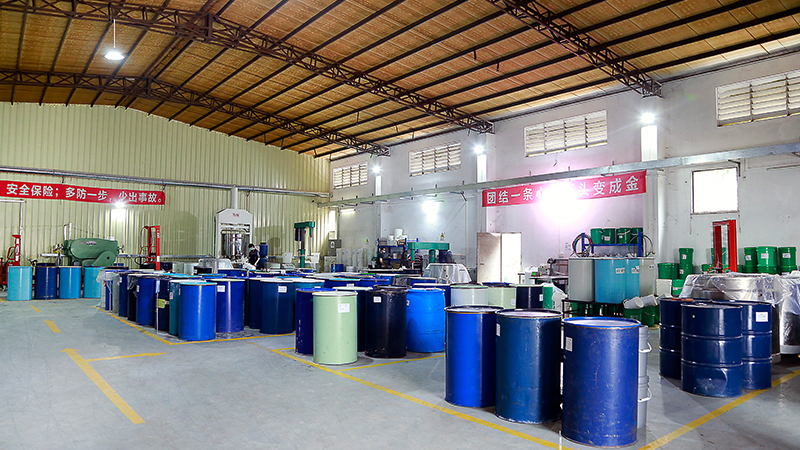
Production control systems help maintain batch-to-batch consistency in LSR manufacturing.
Limitations and Trade-offs
While LSR offers many advantages, buyers should also understand its limitations. LSR typically costs more than conventional organic rubber on a per-kilogram basis. Tooling for LSR injection molding can be more expensive because it must be designed for low-viscosity materials and precise temperature control. Certification testing, such as FDA or ISO 10993 biocompatibility testing, adds time and cost. Additionally, not every LSR grade is suitable for every application; a grade that cures with low volatility may still require post-curing for certain medical or food-contact uses.
Buyers should also be aware that a manufacturer’s certification does not automatically transfer to the buyer’s end product. The buyer is responsible for final product validation and regulatory clearance. Working with a supplier that clearly documents material test data simply reduces the risk at the material level.
Liquid Silicone Rubber FAQ
What are the key quality standards for LSR manufacturers?
Common quality standards for LSR materials include ISO9001 for quality management systems, and product-level compliance with RoHS, REACH, FDA, LFGB, and halogen-free requirements. For medical applications, LSR should also meet recognized biocompatibility frameworks such as ISO 10993, USP Class VI, and FDA 21 CFR 177.2600. Buyers should request current certificates and confirm that the specific product family, not just the company, is covered.
How do I evaluate a liquid silicone rubber manufacturer before requesting a quote?
Evaluate the manufacturer’s facility scale, R&D capability, production capacity, certifications, and the range of products they produce in-house. Check whether they supply the base materials, such as vinyl silicone oil and platinum catalysts, because internal production of key raw materials can improve consistency. Review the factory size, employee count, export experience, and any subsidiary or department dedicated to your industry. Ask for datasheets, test reports, and samples to verify the numbers.
Can LSR be customized for specific hardness, color, or application requirements?
Yes, LSR formulations can be adjusted to meet different hardness levels, colors, curing behaviors, and performance targets. For example, an overmolding LSR might be supplied with hardness from 7±1 to 38±1 Shore A and viscosity from 4000 to 25000, depending on the product. A manufacturer with an in-house R&D team, such as Times Silicon’s 10-engineer R&D department, is better positioned to develop custom formulations for medical, adult-product, new energy, or electrical applications.
What is the typical process for requesting samples or a quote for LSR materials?
The usual process is to contact the manufacturer with your application details, target hardness, required certifications, estimated volume, and processing method. The manufacturer then recommends a suitable grade or proposes a custom formulation. Samples are provided before mass production so that you can run trials. To start this process with Dongguan Times Silicon Industry Co., Ltd., you can contact Mr. Han by email at 1412531738@qq.com or by phone at +86 13825718161. A downloadable company brochure is also available for initial reference.
Next step: review the company brochure.
Download the Times Silicon brochure (PDF) to review product lines, certifications, and production capabilities.
Conclusion
Liquid silicone rubber is a versatile, high-performance material family that supports sealing, insulation, cushioning, and skin-contact applications across medical, new energy, automotive, and consumer products. The market is expanding, and manufacturers with strong raw-material integration, documented certifications, and custom formulation capabilities are becoming more valuable to buyers.
For buyers in the research stage, the right next step is not to buy immediately but to shortlist manufacturers and request technical data. Compare hardness, tear strength, heat resistance, cold resistance, certifications, and processing behavior. Use samples and real trials to validate what the datasheet promises. A manufacturer like Dongguan Times Silicon Industry Co., Ltd., which supplies platinum catalysts, vinyl silicone oil, and application-specific LSR products, can serve as a useful reference point for evaluating total material-system support.
This article is provided for informational purposes and reflects material properties and company information available at the time of writing. Contact the manufacturer for the latest specifications and certification documents.
Have Questions or Need More Details?
Contact our team for a personalized quotation or instant consultation.
Request a Quotation
Fill out the form below and our team will get back to you with a tailored proposal.
WhatsApp Direct Chat
Prefer to chat in real-time? Message us on WhatsApp for instant assistance & quick answers.
- Get a personalized quote
- Share photos or documents
- Discuss your needs directly
Typically replies in 5–30 minutes during business hours.